
The Allure of Risk in Casino Games
The psychology of risk plays a pivotal role in the world of casino gaming, captivating players with its thrilling potential for reward. The element of chance and uncertainty is what makes gambling exciting and engaging for many individuals. The anticipation of winning can trigger a rush of adrenaline, enhancing the overall gaming experience. This allure drives players to take risks they might not consider in their everyday lives, creating a unique psychological environment within the casino. As more people explore the world of online betting options, they may encounter sites that offer a no kyc online casino experience, adding to the modern gambling landscape.

The Role of Cognitive Biases
Cognitive biases significantly influence how individuals perceive risk in casino gaming. One key bias is the “illusion of control,” where players believe they can influence the outcome of games that are fundamentally based on chance. This can lead them to take larger risks, convinced that their actions will yield positive results. Additionally, the “gambler’s fallacy” can encourage players to believe that past outcomes affect future results, which may not be the case, thereby impacting their betting strategies.
These cognitive distortions can make players more susceptible to the excitement of gambling, as they often overlook the inherent risks in favor of hopeful thinking. Understanding these biases is crucial for both players and casino operators, as it shapes the gambling experience and informs responsible gaming practices.
Emotional Responses and Their Impact
The emotional responses elicited during casino gaming can heavily influence decision-making. High-stakes environments can induce feelings of excitement, anxiety, and even euphoria, which may lead to impulsive behavior. Players often find themselves chasing losses or escalating their bets due to heightened emotions, which can lead to larger financial risks and potential gambling addiction.
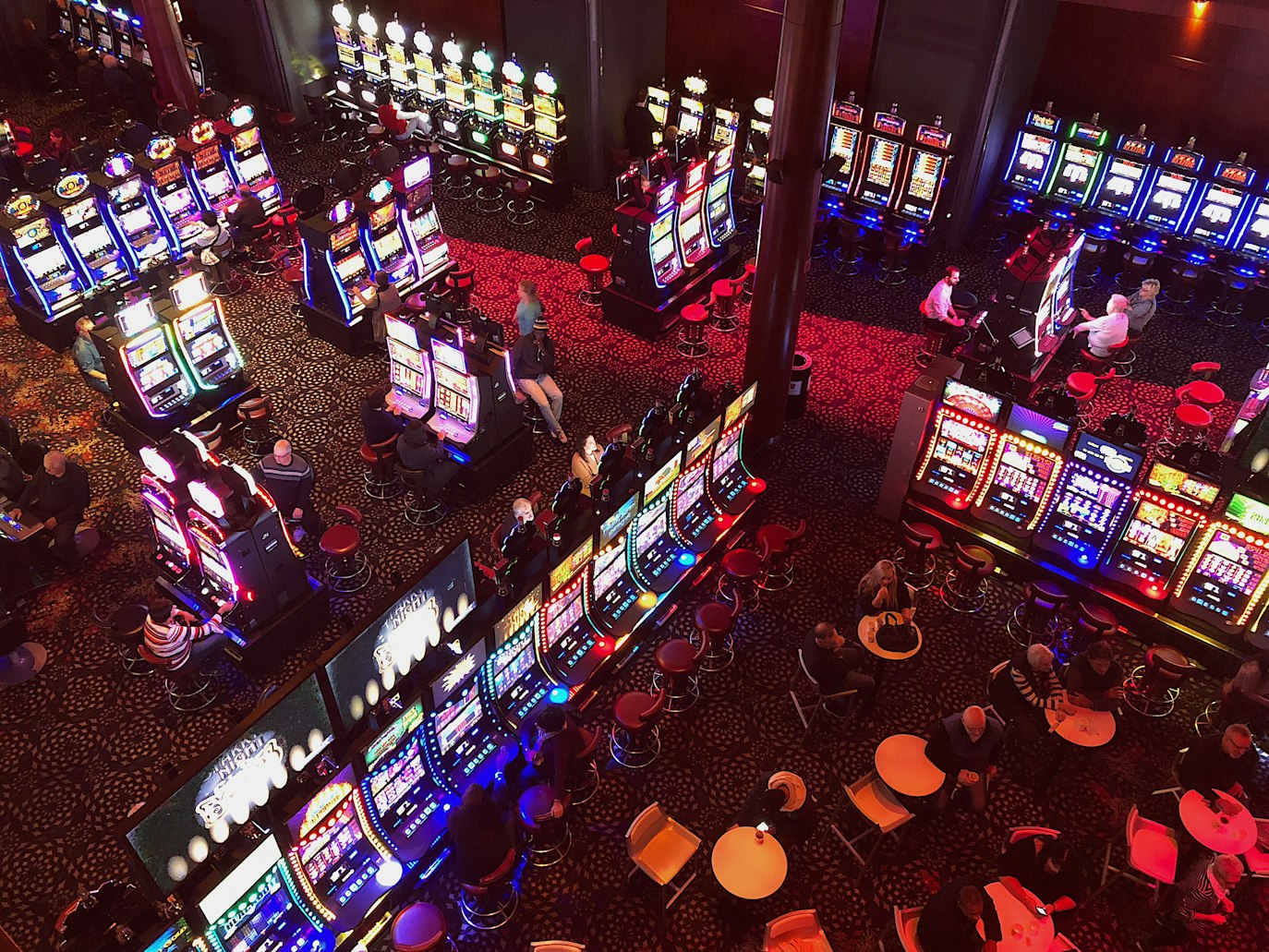
Moreover, casinos are designed to amplify these emotional responses. The layout, lighting, sounds, and even the scent in a casino all aim to create an immersive experience that encourages extended play. This psychological manipulation contributes to individuals making choices that prioritize the emotional rush over rational decision-making.
The Social Aspect of Gambling
The social dynamics present in casino environments add another layer to the psychology of risk. Many players enjoy the communal experience of gaming, which can enhance the thrill of taking risks. Sharing a table, celebrating wins, and even commiserating over losses creates a sense of camaraderie among players. This social aspect can encourage individuals to gamble more than they might alone as they feel validated by the group.
Additionally, peer pressure and social norms play a significant role in risk-taking behavior. Players may feel compelled to match the bets of friends or to engage in risky gambling to fit in with a group. Understanding the social influences at play can help individuals recognize their motivations and potentially make more informed choices when gambling.
Conclusion: Navigating the Risks of Casino Gaming
Understanding the psychology of risk in casino gaming is essential for all players. Recognizing the emotional and cognitive factors at play can help individuals approach gambling more mindfully. By being aware of the influences that drive risk-taking behavior, players can make more informed decisions and mitigate the potential for loss.
This understanding is particularly relevant in today’s gaming landscape, which includes various platforms for gambling, including online casinos. As players navigate the complexities of risk and reward, it’s crucial to seek out reliable and responsible gaming experiences that prioritize player safety and well-being.